The short version
- A garage door off track is a safety hazard, not a cosmetic issue. Stop using the opener the moment you notice it — forcing the door can turn a simple fix into a much bigger repair.
- The cause decides whether it's DIY or not. A minor bump with an intact track is often a safe fix yourself. A snapped cable, broken spring, or badly bent track means call a professional.
- Expect $150-$700 for most off-track repairs, with severe damage running over $1,000.
A garage door off track can look like a small problem — a roller sitting outside the metal channel instead of inside it — but what caused it matters more than what you can see. Sometimes it's a loose bracket or a bump from a stored bike. Other times a cable has snapped or a spring has failed, and the door is being held up by less than it should be. Here's how to tell the difference, what's safe to fix yourself, and what off-track repair costs in 2025-2026.
What causes a garage door to come off track
- A snapped lift cableOne of the most common causes. When one cable breaks, that side of the door drops while the other side keeps moving under the opener's power, pulling the rollers off the track.
- A broken springSprings counterbalance the door's weight in pairs. When one fails, the other can't support the load evenly, so the door moves unevenly or leans, which can walk the rollers out of the track.
- Damaged or bent tracksA track that's bent, dented, or knocked out of alignment — from a vehicle bump, stored items, or age — no longer holds the rollers in their intended path.
- Loose brackets or boltsMounting brackets that hold the track to the wall or frame work loose over time from normal vibration, letting the track shift.
- Worn or damaged rollersRollers that are cracked, flat-spotted, or badly worn can jump the track edge instead of rolling smoothly through it.
Safety first: stop before you touch anything
⚠ Stop using the opener immediately
An off-track garage door is a safety hazard, not a cosmetic problem. Continuing to run the opener, or forcing the door open or closed by hand, puts stress on the cables, springs, and opener gears — stress that can turn a simple realignment into a much bigger, more expensive repair, or cause the door to fall.
How to check the cause
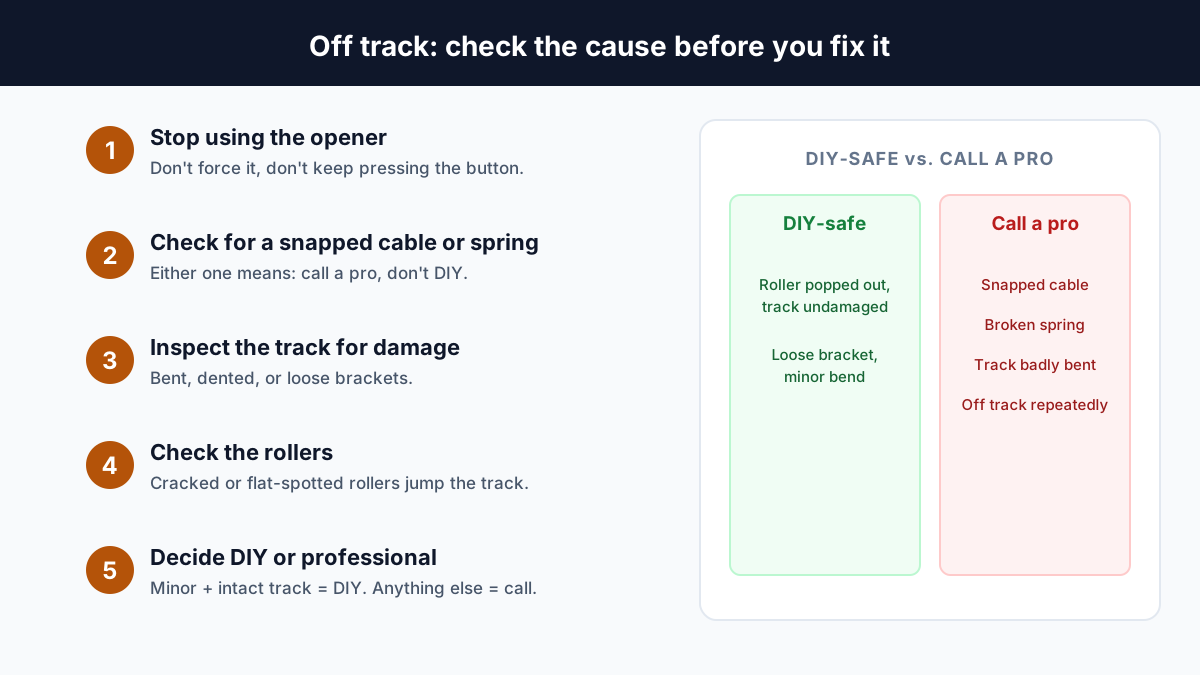
1. Stop using the opener
- WhyDisconnect or stop pressing the opener the moment you notice the door is off track — continuing to run it puts stress on cables, springs, and the opener itself.
2. Look for a snapped cable or broken spring
- What to look forCheck both bottom corners for a loose or coiled cable, and look at the spring above the door for a visible gap. Either one means stop and call a professional.
3. Inspect the track for damage
- What to look forA bent, dented, or separated section of track, or brackets that have pulled loose from the wall or frame.
4. Check the rollers
- What to look forRollers that are cracked, flat-spotted, or visibly worn where they left the track.
5. Decide DIY or professional
- How to decideIf the cause is a minor, isolated issue with an intact track and no broken cable or spring, a careful DIY realignment is reasonable. Otherwise, call a professional.
Not sure what caused it?
A technician can diagnose the cause on-site and get the door safely back on track.
Request ServiceDIY fix vs. calling a professional
- Safe to attempt yourselfTurn off the opener, gently guide the rollers back into the track channel, tighten loose screws or bolts, straighten or replace a lightly bent section of track, clean and lubricate the tracks with a silicone or lithium garage-door lubricant, then reconnect the opener and test a full cycle.
- Always call a professionalA snapped cable or broken spring — these are under high stored tension and are not a DIY fix. A significantly bent, dented, or separated track. The door coming off track on both sides, or coming off more than once recently. Any cause you can't clearly identify.
2025-2026 garage door off-track repair costs
| Repair | Typical cost |
|---|---|
| Minor roller realignment (track undamaged) | $100-$200 |
| Damaged track section or cable replacement | $200-$500 |
| Overall typical range | $150-$700 |
| Severe structural damage | $1,000+ |
If the root cause turns out to be a broken spring or snapped cable rather than the track itself, that repair is priced separately — see Garage Hub's dedicated spring and cable repair guides for those costs specifically.
Frequently asked questions
What causes a garage door to come off track?
The most common causes are a snapped lift cable (one side of the door drops while the other keeps moving), a broken spring (the door moves unevenly without both springs supporting the load), damaged or bent tracks, loose brackets or bolts, and worn or cracked rollers.
Is a garage door off track dangerous?
Yes. It's a safety hazard, not just a cosmetic issue. Continuing to use the opener, or forcing the door open or closed by hand, puts stress on the cables, springs, and opener that can turn a simple repair into a much bigger, more expensive one, or cause the door to fall.
Can I fix a garage door off track myself?
Sometimes, if the cause is minor and isolated: turn off the opener, gently guide the rollers back into the track, tighten loose screws, straighten light bends, clean and lubricate the tracks, then test the door. If a cable or spring is involved, or the track itself is significantly bent or separated, call a professional instead.
How much does it cost to fix a garage door off track?
Most homeowners pay $150-$700, with severe structural damage pushing costs beyond $1,000. Minor repairs like realigning rollers onto an undamaged track run $100-$200, while replacing damaged track sections or cables runs $200-$500.
Why does my garage door keep coming off track?
A door that comes off track more than once usually has an underlying cause rather than a one-time bump — commonly a spring that's losing tension, a track that's slightly bent, or brackets that have worked loose. Repeated derailing is a sign to have a professional diagnose the root cause rather than keep re-seating the rollers yourself.
Can I drive my garage door back onto the track by running the opener?
No. Never try to force a door back into position by running the opener against resistance. Disconnect the opener first, then work the rollers back into the track by hand, or call a professional if you can't do it without force.
A note on safety
This is general homeowner guidance, not a substitute for a technician's on-site inspection. Cost figures are national-average ranges for 2025-2026 and vary by region and door type. If you're unsure whether a cable or spring is involved, treat it as a professional job.